Why Choose Canvas Tents Over Synthetic Tents
One of the main reasons people invest in canvas tents is their unmatched durability. Canvas fabric is naturally tough and resistant to tearing, which makes it ideal for rugged outdoor environments. When treated with waterproof and UV-resistant coatings, canvas tents can withstand heavy rain, strong sunlight, and changing weather conditions without losing performance.
Another major advantage is breathability. Synthetic tents often trap moisture inside, leading to condensation and discomfort. Canvas tents allow moisture to escape while maintaining insulation. This helps keep the interior cool during hot days and warm during cooler nights. For campers and outdoor professionals who spend long periods in their tents, this comfort difference is significant.
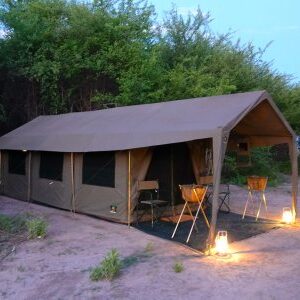
Additionally, canvas tents offer a classic aesthetic that enhances outdoor experiences. Their natural look blends beautifully with outdoor surroundings, making them a popular choice for eco-resorts, safari camps, and glamping businesses.
Types of Canvas Tents Available for Sale
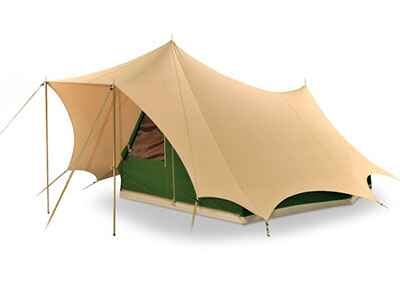
Canvas tents are available in several styles, each designed to meet specific needs. Bell tents are among the most popular options due to their spacious circular design and elegant appearance. They are ideal for family camping and luxury glamping setups because they provide ample interior space and headroom.
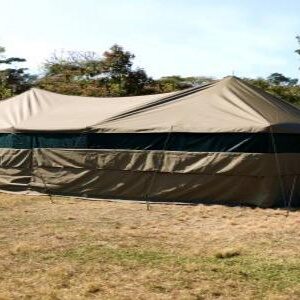
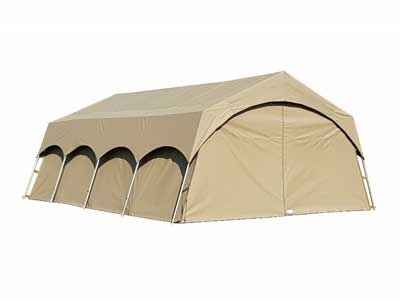
Wall tents are another common type, featuring vertical walls that maximize usable interior space. These tents are often used for commercial applications, outdoor exhibitions, and long-term camps. Their structure allows for furniture placement and comfortable living arrangements.
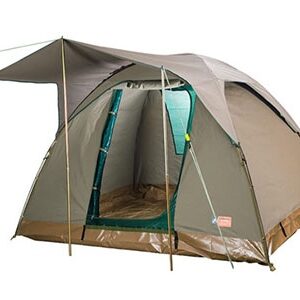
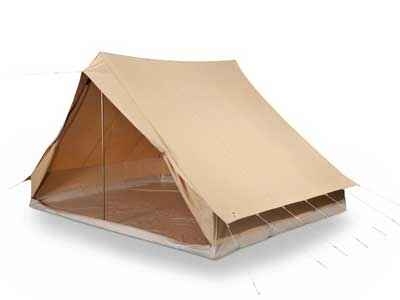
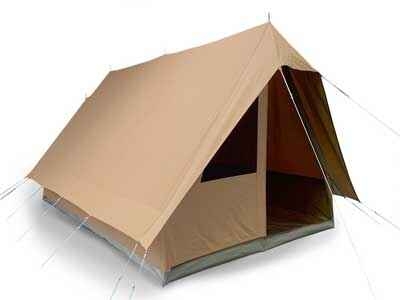
Ridge tents offer a more traditional camping design. They are easy to set up and provide reliable shelter for short trips. Cabin-style canvas tents combine modern features with strong frames, making them suitable for larger groups and extended outdoor stays.
Key Features to Look for in Canvas Tents
When browsing canvas tents for sale, buyers should pay attention to several important features. Fabric weight is a crucial factor, as heavier canvas provides better durability and weather resistance. GSM (grams per square meter) ratings help determine fabric strength and longevity.
Strong frames made from steel or aluminum add stability and improve wind resistance. Reinforced seams, heavy-duty zippers, and rust-resistant hardware ensure the tent remains functional over years of use. Ventilation options such as mesh windows and roof vents improve airflow and comfort inside the tent.
Many high-quality canvas tents also include waterproof floors, stove jack openings for heating, and adjustable guy ropes for secure anchoring. These features enhance usability and make the tent suitable for different climates and environments.
Frequently Ask Questions (FAQs)
1. Are canvas tents completely waterproof?
High-quality canvas tents are treated with waterproof coatings that protect against rain. The fabric tightens when wet, improving water resistance. Proper setup and maintenance ensure excellent performance in wet weather.
2. How heavy are canvas tents compared to synthetic tents?
Canvas tents are generally heavier than synthetic tents because of their thick fabric and strong frames. However, the extra weight contributes to durability and long-term reliability.
3. Can canvas tents be used year-round?
Yes, canvas tents are suitable for all seasons. Their insulation keeps interiors comfortable in both hot and cold weather, and many models support safe heating options.
4. How long does it take to set up a canvas tent?
Setup time depends on the tent size and design. Smaller tents can be pitched in 15–30 minutes, while larger commercial tents may require additional time and assistance.
5. Are canvas tents worth the investment?
Canvas tents offer long lifespan, comfort, and durability, making them a cost-effective investment for frequent campers and businesses that need reliable outdoor shelter.